Pros and cons: Should you buy a newer home or an older one?
Breaking down the benefits and challenges of new and old houses
by Heather Benjamin
When you start house-hunting, you’re probably thinking about a lot of typical factors like location, square footage, number of bedrooms, and so on. One factor that doesn’t always come up until you’ve started bookmarking actual homes, though, is the one of age.
Many buyers love the idea of a new home, virtually untouched by human hands, with the finishes, layouts, and trends of Right Now. On the other end of the spectrum are the people who seek out a historic 18th century cottage with original wide-plank floor. . . modern plumbing optional.
In between these two extremes, you have a lot of choices. Where you move the slider on the age of your potential homes depends on what’s most important to you. Every home is unique, but here are some insights that may help you narrow it down.
Potential problems with newer and older homes
Every era of home needs an inspection, and every inspection will flag something. That includes newly built homes! Before you complete any home purchase, an inspection is a must.
Brand-new homes sometimes have things installed rapidly or incorrectly, leading to potential issues:
Inefficient site grading and drainage
An unsafe electrical system
Mistakes in plumbing joints and fixtures
Misaligned window and door frames
Use of lower-quality materials with a shorter life span
On the other hand, older homes can present their own red flags at inspection time, depending on their particular era:
The presence of asbestos, lead-based paint, or weakened plumbing materials
Inadequate building insulation for efficient heating and cooling
Lack of modern HVAC system
An electrical system in need of replacement
Worn materials in high-use areas like kitchens
When it comes to the details of building, the term “older home” or “existing home” can have a broad definition. Homes from more recent decades can also have era-specific quirks. For example, most people would think a home built in the 1700s might lack air conditioning, but did you know that homes built from the late 1970s through the mid-1990s often have polybutylene pipes, which may have a risk of unexpected leaks?
There are risks with any home purchase. They will just be different ones, depending on whether the home you’re researching is from 2022, 1985, or 1890. It’s all about the range of risk you’re comfortable with, and how that balances out against the type of home you want.
Now, what are the benefits of different eras?
The benefits of newer homes
Details are tailored to you. A custom new home, of course, offers you the opportunity to create from a blank canvas the exact layout, finishes, and features that you want. And even a home built just a couple of years ago still has that shiny, pristine look and feel, with on-trend countertops and lighting.
Incentives can leave more money in your wallet. Depending on the state of the market, home builders may offer incentives like closing cost assistance or mortgage rate buydowns. (However, consider the overall package to find your total costs.)
Your maintenance and repair costs may be lower. Newer roofs, appliances, and systems, when properly installed, mean you likely won’t have major repairs for a few years. When you’ve just made a huge purchase, knowing you probably won’t have to shell out again soon can give you peace of mind.
They’re typically easier to insure. A newer home presents a lower risk profile for home insurance companies, and you’ll probably have more options when choosing a provider.
The benefits of older and historic homes
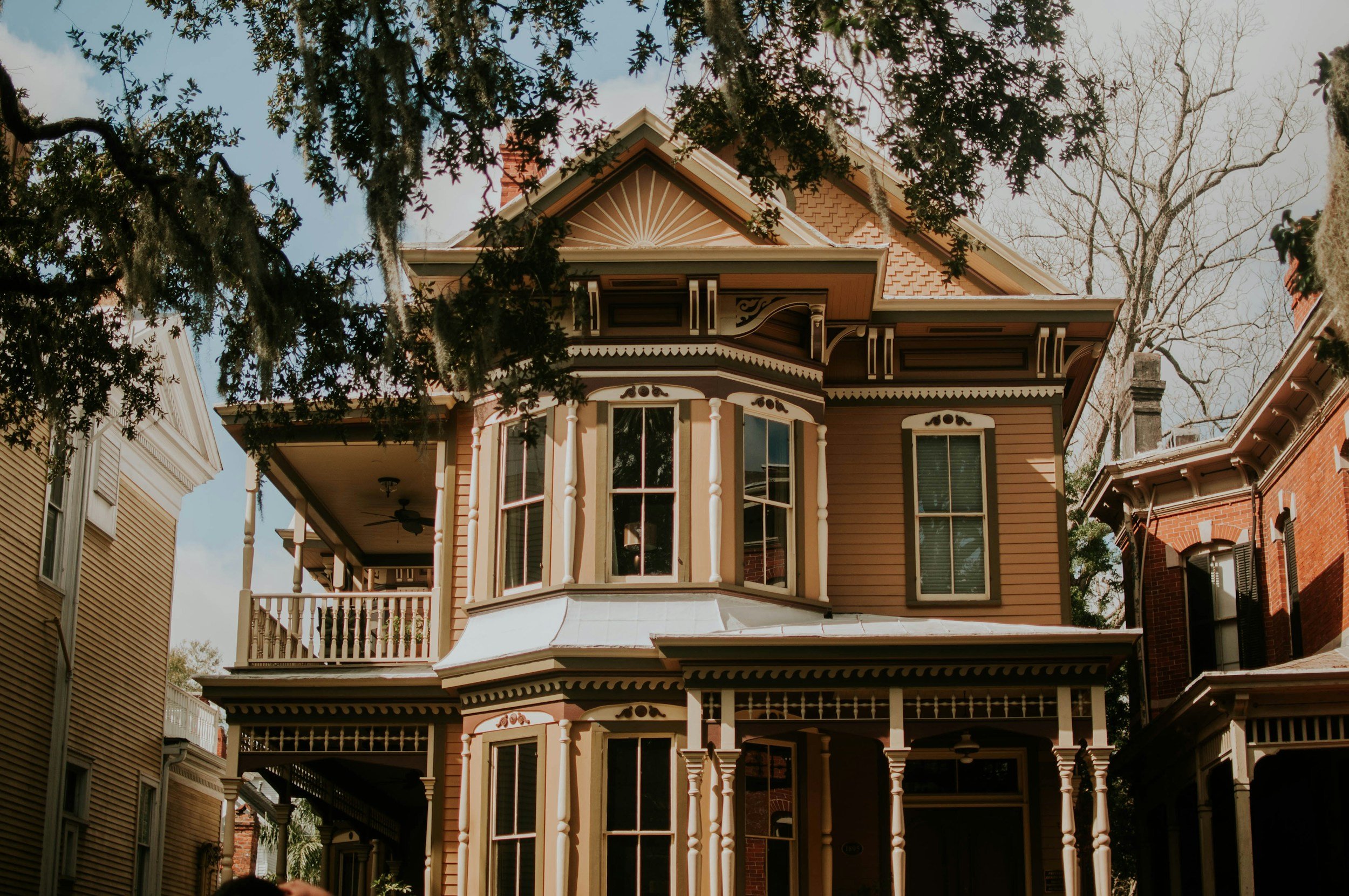
They’ve got character, charm, patina, and all that jazz. For some people, the architectural beauty and the “perfectly imperfect” details of an older house are most important to them in a place that feels like home. Do Tudor Revival diamond-paned windows or 1950s pink-tiled bathrooms spark joy for you?
Building materials may be more solid and long-lasting. Old-growth hardwood framing and floors, solid brick exteriors, brass fixtures, and other materials are known for their extreme durability and for being more rot-resistant. Your home may easily last another century, if you take care of it.
The yard may be more Hallmark-movie-esque. Lot sizes of yore tended to be larger, and the trees have had additional decades to mature—making it easier to find the right branch to hang that tire swing from. You may also have more space between you and your next-door neighbors.
You’re part of the story of a place. Older homes have a history—you can often learn a lot about the previous owners with a little research, and homes over 100 years old tend to be situated closer to the downtown of an area, in the beginning of a city’s story. (This also means you may be closer to town events and amenities.)
All homes, both new and old, present unique possibilities. That’s part of what makes house-hunting fun—finding the home that’s just right for you.
A real estate agent, especially one with knowledge of older homes, can help you identify factors to consider and locate licensed inspectors, contractors, and local preservation resources. Feel free to reach out anytime with questions—I serve as a resource for the community, whether client or neighbor. Post by Heather Benjamin, Broker/REALTOR®, Berkshire Hathaway HomeServices York Simpson Underwood Realty.